
At Voltib we install, operate, and maintain the charging points; your customers and staff pay only for the energy they use. Make your car park compliant with ITC-BT-52 on charging points in car parks. Improve your business’s sustainable image, attract more customers, for longer stays, and of a higher profile
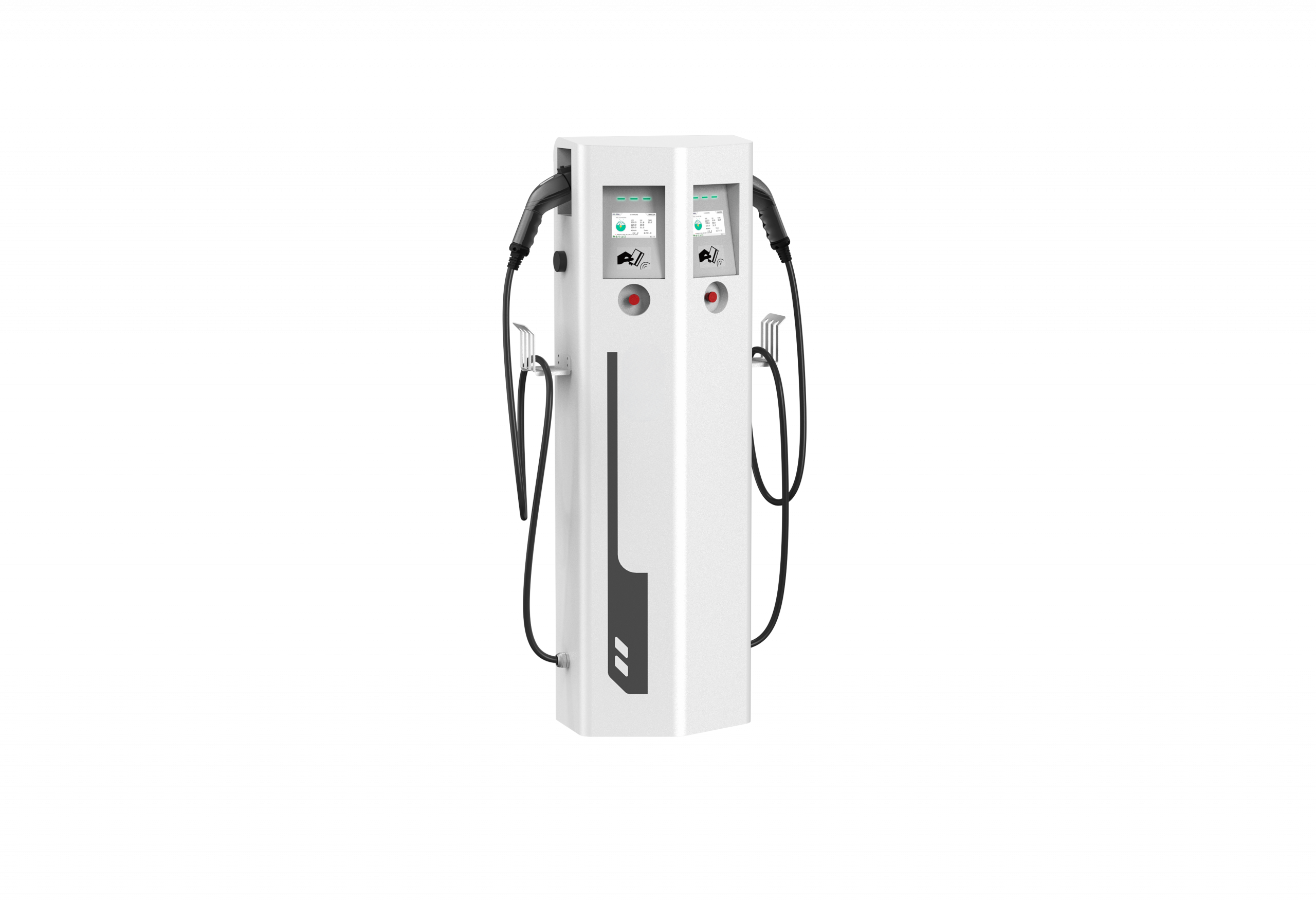
EV charging points available for customers and employees, supporting convenient, reliable electric mobility.
Professional installations and permitting performed fully compliant with all required electrical regulations.
Licensed technicians and engineers follow Spanish REBT and ICT-BT-52 standards for infrastructure.
Innovative, efficient, reliable chargers designed to support your long-term business charging needs.
Option to integrate photovoltaic panels providing clean solar energy for efficient charging.
Fixed, transparent quotes ensure predictable project pricing with no hidden costs included.

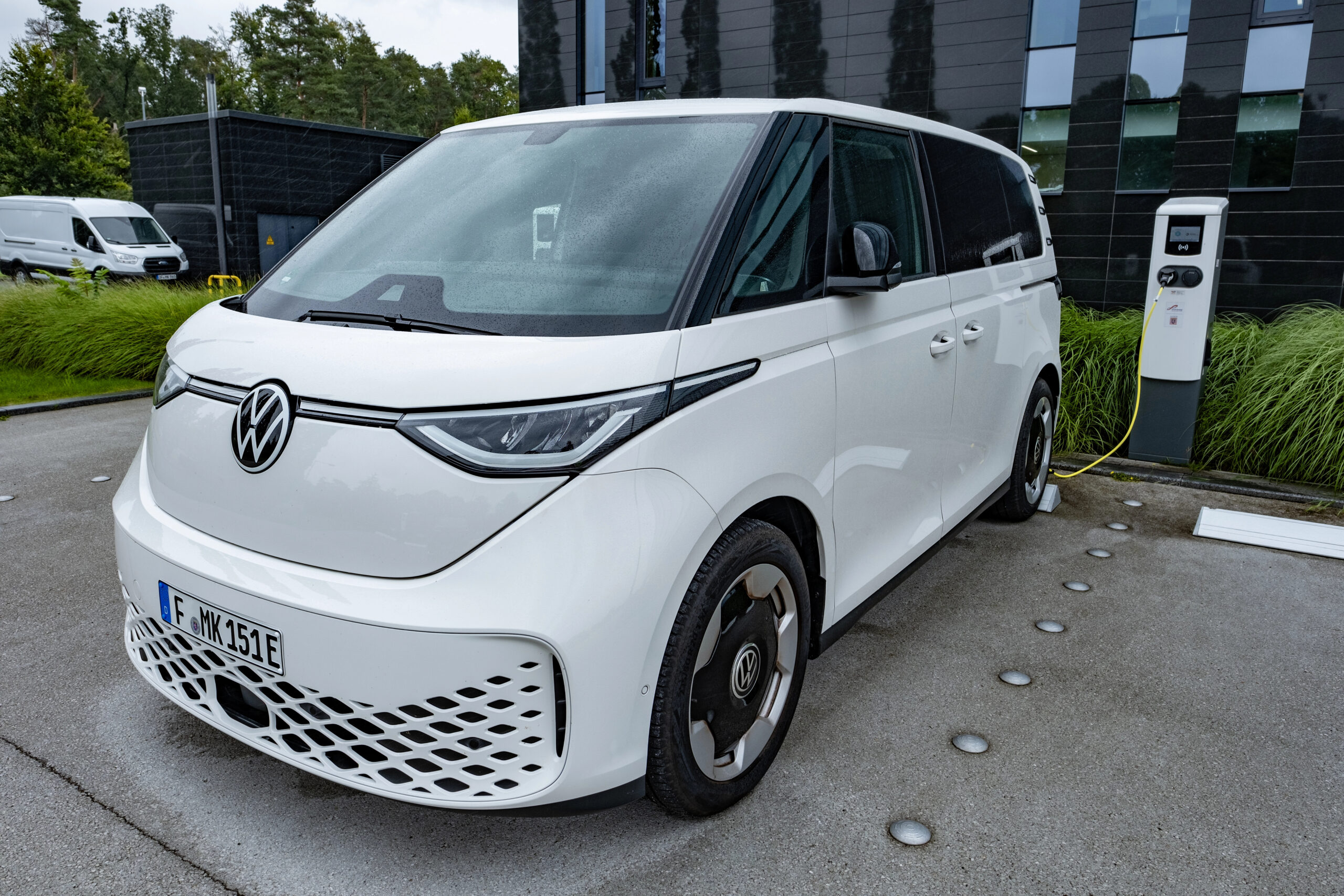
Offer it as a customer
incentive.

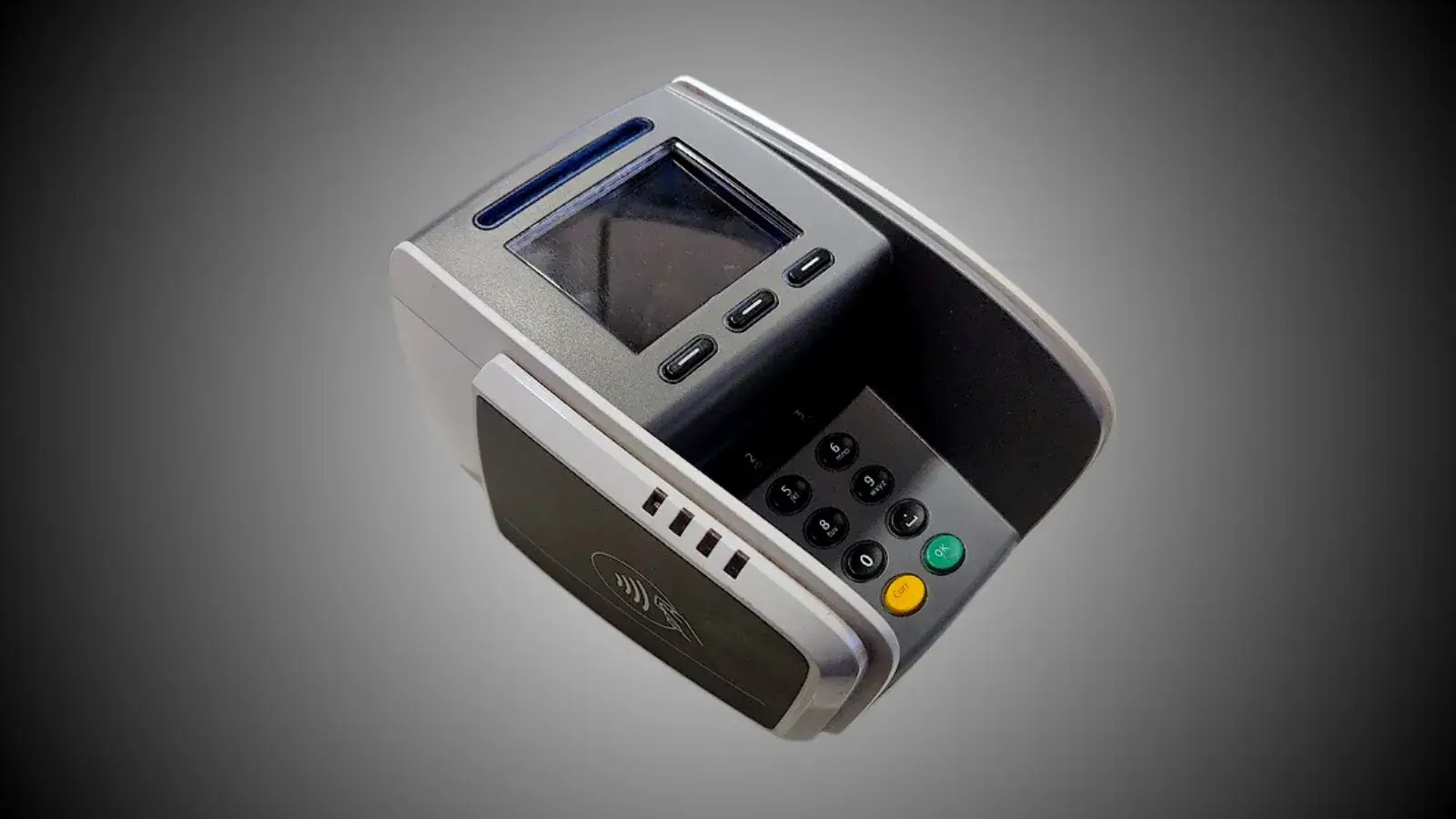
Offer it as a customer
incentive.
Offer it as a customer
incentive.
As a rule of thumb, a minimum of 3.7 kW is recommended for slow AC charging (Mode 2) and 7.4 kW for semi‑fast AC charging (Mode 3) in single‑phase installations. If you need a full charge in around two hours or less, DC charging from 30–40 kW (three‑phase) is required. The right power depends on usage frequency, battery size and the limits of your electrical installation. At Voltib, we can take care of the whole setup—charger plus optional PV panels and even batteries—to make your system as cost‑efficient and environmentally friendly as possible.
Often you don’t. An EV or PHEV can start charging from around 2.3 kW, and a typical household socket can provide more than that. However, if you want to charge within six to eight hours (for example overnight, when there are few other loads) 3.6–7.2 kW is desirable. In Mallorca, homes usually contract around 5–7 kW on average, while small businesses often have 12–15 kW (and can exceed 50 kW depending on activity and HVAC). Hotels can easily exceed 500 kW.
No. Assuming the site has sufficient capacity, you have several options: slow/semi‑fast AC chargers up to 7.4 kW (single‑phase) or 22 kW (three‑phase); and fast/ultra‑fast DC chargers, typically installed at businesses or public locations, offering around 30–320 kW. Voltib will advise on the charger that best fits your current and future needs.
Not necessarily. It is advisable to review available tariffs: many utilities offer cheaper charging at certain times or with PV self‑consumption. Voltib can deliver a complete setup (charger + PV + optional batteries) to keep charging economical and sustainable.
A dedicated EV charger is faster, safer and more efficient than a standard wall outlet, and allows remote monitoring and control of charging.
Yes. Voltib chargers are compatible with EVs and PHEVs on the market. We will recommend the best model based on your needs and your installation/vehicle.
If you already have PV panels, we can configure the charger to prioritise solar energy, saving on your bill. If solar production is insufficient, the charger will use grid energy. If you don’t have PV yet, we can install the full system (charger, PV, optional batteries) to make charging more economical and environmentally friendly.
Integrating solar panels allows your charger to use clean, renewable energy first.
This reduces electricity costs while increasing overall system efficiency and sustainability.
It also minimizes grid dependency, making your EV charging more eco-friendly and economical.
As a rule of thumb, a minimum of 3.7 kW is recommended for slow AC charging (Mode 2) and 7.4 kW for semi‑fast AC charging (Mode 3) in single‑phase installations. If you need a full charge in around two hours or less, DC charging from 30–40 kW (three‑phase) is required. The right power depends on usage frequency, battery size and the limits of your electrical installation. At Voltib, we can take care of the whole setup—charger plus optional PV panels and even batteries—to make your system as cost‑efficient and environmentally friendly as possible.
Often you don’t. An EV or PHEV can start charging from around 2.3 kW, and a typical household socket can provide more than that. However, if you want to charge within six to eight hours (for example overnight, when there are few other loads) 3.6–7.2 kW is desirable. In Mallorca, homes usually contract around 5–7 kW on average, while small businesses often have 12–15 kW (and can exceed 50 kW depending on activity and HVAC). Hotels can easily exceed 500 kW.
No. Assuming the site has sufficient capacity, you have several options: slow/semi‑fast AC chargers up to 7.4 kW (single‑phase) or 22 kW (three‑phase); and fast/ultra‑fast DC chargers, typically installed at businesses or public locations, offering around 30–320 kW. Voltib will advise on the charger that best fits your current and future needs.
Not necessarily. It is advisable to review available tariffs: many utilities offer cheaper charging at certain times or with PV self‑consumption. Voltib can deliver a complete setup (charger + PV + optional batteries) to keep charging economical and sustainable.
Yes. Voltib chargers are compatible with EVs and PHEVs on the market. We will recommend the best model based on your needs and your installation/vehicle.
If you already have PV panels, we can configure the charger to prioritise solar energy, saving on your bill. If solar production is insufficient, the charger will use grid energy. If you don’t have PV yet, we can install the full system (charger, PV, optional batteries) to make charging more economical and environmentally friendly.
Integrating solar panels allows your charger to use clean, renewable energy first.
This reduces electricity costs while increasing overall system efficiency and sustainability.
It also minimizes grid dependency, making your EV charging more eco-friendly and economical.
Voltib installs according to Spain’s Low Voltage Regulation (REBT) and complementary instruction ICT‑BT‑52, which define installation schemes and the technical/safety requirements in Spain and the Balearic Islands.
Yes, the charger can usually connect to your existing electrical installation safely.
Dynamic load management adjusts charging automatically to avoid overloads on your system.
Additional protections like surge devices and RCDs ensure full compliance with regulations.
Under REBT and ICT‑BT‑52, smaller installations may require a technical design report (memoria técnica) using regional templates. More complex or higher‑power projects (industrial/wet/public‑access) require a full execution project signed by a chartered engineer.
Chargers include safety systems to prevent electric shock or fire and protective devices for people and equipment. Voltib’s technicians and engineers have extensive experience and follow current regulations, including ICT‑BT‑52.
Yes. All installations include the CIE (Certificado de Instalación Eléctrica) — the official document certifying compliance with safety and regulatory requirements.
It depends on complexity and permits. Installation usually begins within about five business days. Contact us to review your case and schedule the earliest possible date.
It depends on battery size and available power. For example, if an average EV uses 15 kWh/100 km and the charging power is 6 kW, in 9 hours you could add the equivalent of ~360 km (around 54 kWh). With a 40 kW DC fast charger, those 360 km would take roughly 80 minutes. With a 320 kW ultra‑fast charger, around 10 minutes.
Mode 2 (AC, Schuko): slow charge via a domestic socket (13–14 hours to ~80% on an average EV; not recommended as the main method).
Mode 3 (AC): single/three‑phase (Type 2/Mennekes), ~2.5–8 hours to ~80%; suitable for homes, shared garages, public car parks and businesses.
Mode 4 (DC): fast/super‑fast (CCS2 or CHAdeMO), ~30–150 kW → 20–90 minutes to ~80%; Ultra‑fast: ~175–350 kW → 8–18 minutes to ~80%.
Type 2 (Mennekes) — European standard for AC charging (up to 7.4 kW single‑phase, 22 kW three‑phase).CHAdeMO — Mostly for Japanese EVs; DC fast.
CCS2 — Combined Charging System adding DC fast to Type 2, up to ~350 kW.
Depending on applicant type: ~20% for large companies, ~50% for SMEs, and up to ~70% for private individuals, self‑employed, and public bodies without economic activity (up to 80% for individuals in municipalities under 5,000 inhabitants).
Chargers include a 3‑year warranty. We work with quality brands that provide spare parts. Our technical staff is based in Mallorca, and we offer maintenance services.
Yes. Voltib helps you apply for MOVES III so you can obtain the subsidy for your charging point.
MOVES grants are opened periodically with specific budgets and requirements. Applications are filed with the regional authority (in Mallorca, CAIB). Funds are limited, so check availability before applying. Processing can take months before a decision is issued.
In the Balearic Islands (Mallorca) typical requirements include: the charging point must be located in the Balearics; installation by an authorised installer; the applicant must own or have usage rights for the site; and a formal application with complete documentation submitted to CAIB.
Voltib provides reliable EV charging solutions across Mallorca — for drivers, businesses, and homes.
Local experts, renewable energy, and fully compliant installations you can trust.
Voltib Cargadores SL — NIF: B2481889
9:00–19:00
9:00–14:00
659 59 53 53
Antoni Mulet 39, 07150 Andratx, Balearic Islands, Spain
info@voltib.com
Copyright © 2025 Voltib All rights reserved.